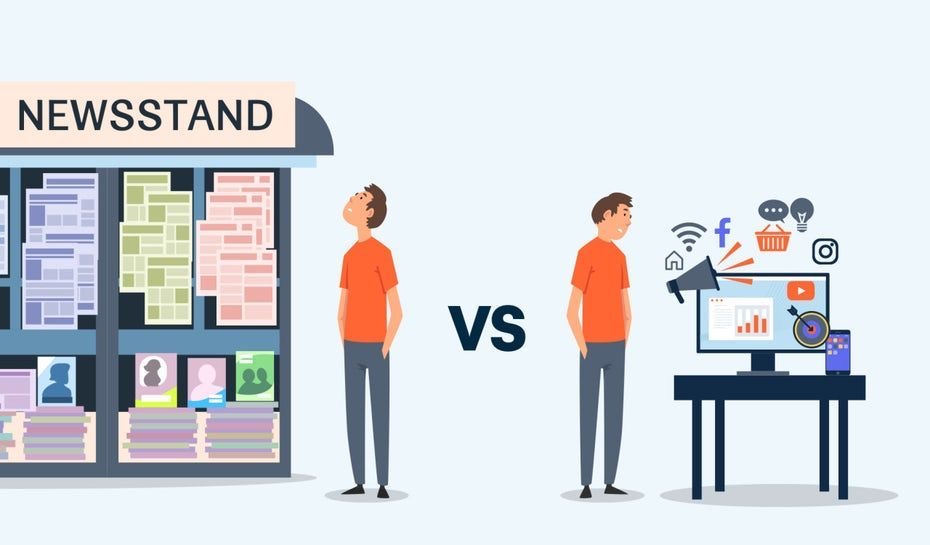
Choosing a career today is not as simple as it used to be. With technology changing the way businesses work, marketing has also evolved. On one side, we have traditional marketing methods that have been around for decades. On the other side, we have modern digital roles that focus on online platforms, data, and creativity.
If you’re confused about which path to choose, you’re not alone. Let’s break it down in simple language so you can clearly understand which option suits you better.
What Are Traditional Marketing Jobs?
Traditional marketing jobs focus on promoting products or services through offline channels. These methods were dominant before the internet became part of our daily lives.
Common traditional marketing roles include:
- Print advertising executive
- TV and radio media planner
- Billboard and outdoor promotion manager
- Event and brand activation executive
- Sales and field marketing executive
Main features of traditional marketing:
- Works mostly offline
- Limited audience targeting
- High advertising costs
- Results are hard to measure
- Strong focus on creativity and communication
Traditional marketing still works well for big brands and local audiences, especially in print media and outdoor advertising. It offers stability, clear job roles, and well-structured career paths.
However, it needs a bigger budget and gives limited control over performance tracking.
What Are Digital Marketing Jobs?
Digital marketing jobs focus on promoting businesses online using the internet and digital platforms. This field has grown rapidly due to smartphones, social media, and online shopping.
Today, digital marketing jobs include roles like:
- SEO specialist
- Social media manager
- Google Ads expert
- Content writer or strategist
- Email marketing executive
- Performance marketing analyst
Key characteristics:
- Works on online platforms
- Highly targeted marketing
- Budget-friendly campaigns
- Real-time data and analytics
- Flexible and skill-based careers
Companies prefer professionals who can generate leads, increase traffic, and deliver measurable results.
Skills Required: Old School vs New Age
Traditional marketing values:
- Strong communication skills
- Creative thinking
- Relationship building
- Negotiation skills
Digital roles focus on:
- Analytical thinking
- Tools and software knowledge
- Content creation
- Data interpretation
- Continuous learning
The biggest difference is adaptability. Digital professionals need to keep upgrading their skills because platforms and algorithms change frequently.
Salary and Growth Opportunities
Traditional marketing:
- Stable salary structure
- Growth takes time
- Promotions depend on experience and hierarchy
Digital marketing:
- Faster growth opportunities
- Pay increases based on skills, not just experience
- Freelancing and remote income options
Due to high demand, digital marketing jobs often offer quicker career growth compared to traditional roles, especially for freshers and career switchers.
Work Environment and Flexibility
Traditional marketing roles usually involve:
- Fixed office hours
- Fieldwork and travel
- In-person meetings
Digital roles allow:
- Work from home options
- Flexible work hours
- Freelance and global clients
If you value freedom and flexibility, digital marketing jobs give more control over your lifestyle.
Job Stability: Which Is Safer?
Traditional marketing jobs are still relevant but are slowly shrinking due to:
- Reduced print media demand
- High advertising costs
- Digital alternatives replacing offline ads
Digital roles, however, are expanding across:
- Startups
- E-commerce brands
- Service businesses
- Personal brands
With businesses shifting online, digital marketing jobs are becoming more future-proof.
Which Career Should You Choose?
Choose traditional marketing if:
- You prefer offline interaction
- You enjoy fieldwork
- You want a structured corporate career
Choose digital marketing if:
- You like technology and creativity
- You want faster career growth
- You enjoy working online
- You wish to freelance or work remotely
There is no right or wrong choice — it depends on your personality, skills, and long-term goals.


Leave a comment